
Unlocking Sales Potential: A Comprehensive Guide to Sales Strategy Consulting
SS
Understanding Sales Strategy Consulting
Sales strategy consulting is a pivotal aspect for businesses aiming to boost their sales performance and achieve sustainable growth. By analyzing current sales processes, identifying gaps, and recommending actionable strategies, consultants help companies unlock their full sales potential. This approach is not just about immediate gains but focuses on long-term success.

The Role of a Sales Strategy Consultant
A sales strategy consultant acts as a catalyst for change within an organization. They bring a fresh perspective and provide insights based on industry trends and best practices. Their primary role is to assess the current sales framework, identify weaknesses, and propose customized strategies to enhance performance.
Key Benefits of Sales Strategy Consulting
Engaging with sales strategy consultants offers numerous benefits:
- Objective Analysis: Consultants provide an unbiased evaluation of existing sales processes.
- Expertise and Experience: They bring industry knowledge and experience, offering proven solutions.
- Customized Strategies: Tailored approaches that align with business goals and market dynamics.

Components of a Successful Sales Strategy
For a sales strategy to be successful, it must encompass several key components. These include understanding the target market, setting clear objectives, and developing a comprehensive sales plan. Additionally, leveraging technology and data analytics plays a crucial role in refining sales strategies.
Identifying Target Markets
Defining and understanding the target market is essential. This involves analyzing customer demographics, preferences, and buying behaviors. By focusing efforts on the right audience, businesses can maximize their sales opportunities and improve conversion rates.

Setting Clear Objectives
Setting clear, achievable objectives is vital for guiding the sales team. Objectives should be specific, measurable, attainable, relevant, and time-bound (SMART). These goals provide direction and motivate the team to achieve desired outcomes.
Implementing and Monitoring Sales Strategies
Once strategies are developed, implementation is the next crucial step. This involves aligning the sales team, training personnel, and ensuring that everyone understands their roles and responsibilities. Regular monitoring and evaluation are also essential to ensure strategies are effective and adjustments can be made as needed.
Leveraging Technology and Data
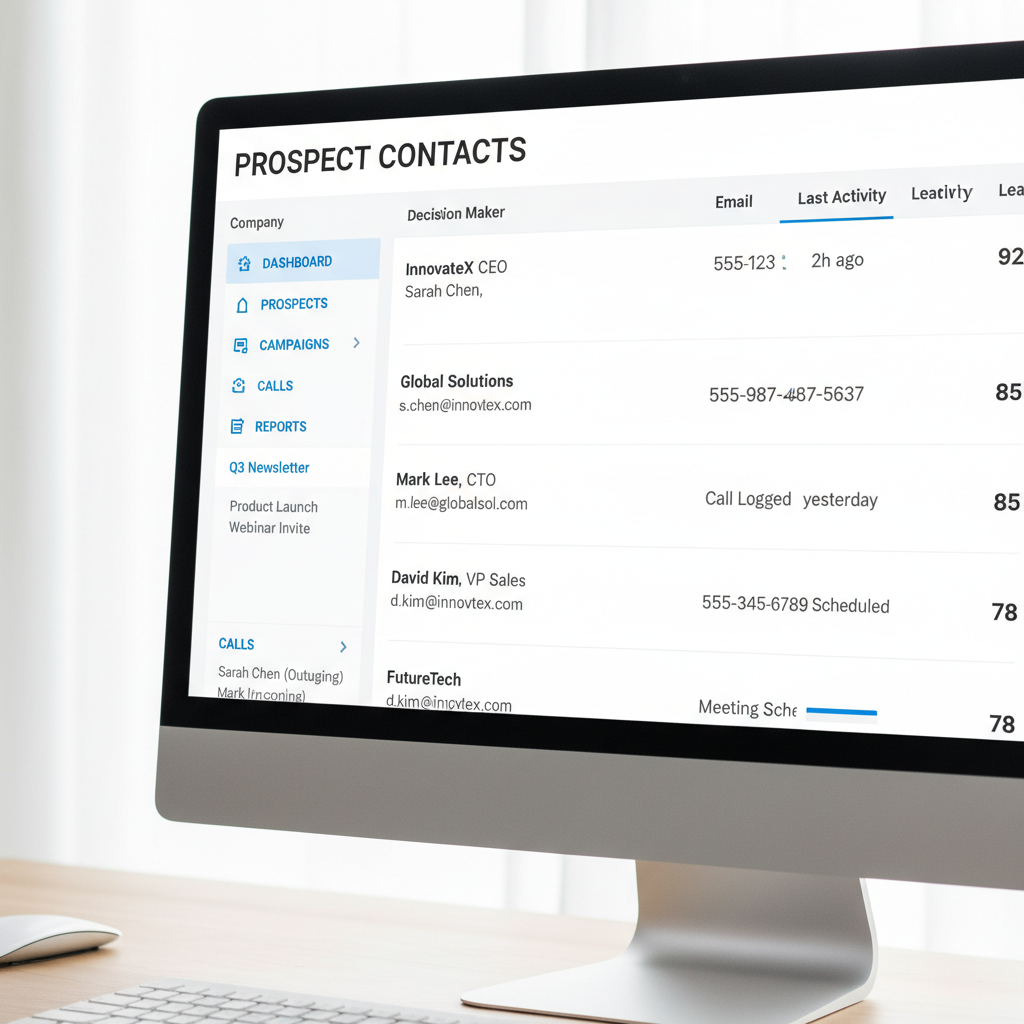
Modern sales strategies rely heavily on technology and data analytics. Tools such as CRM systems and sales analytics software provide valuable insights into customer interactions and sales performance, enabling data-driven decision-making.
Continuous Improvement
The sales landscape is ever-changing, and businesses must adapt to stay competitive. Continuous improvement involves regularly reviewing and refining sales strategies to respond to market changes, customer feedback, and emerging trends.
In conclusion, sales strategy consulting is a transformative process that helps businesses unlock their sales potential. By leveraging expert insights, setting clear objectives, and embracing technology, companies can achieve remarkable sales growth and long-term success.