
The Ultimate Guide to Seasonal Sales Planning for Consultants
SS
Understanding Seasonal Sales Planning
For consultants, mastering the art of seasonal sales planning can be a game-changer. By aligning your strategies with the cyclical nature of your industry, you can maximize revenue and build stronger client relationships. Seasonal sales planning involves anticipating market trends and customer needs, allowing you to offer targeted solutions at the right time.
Identifying Key Seasons
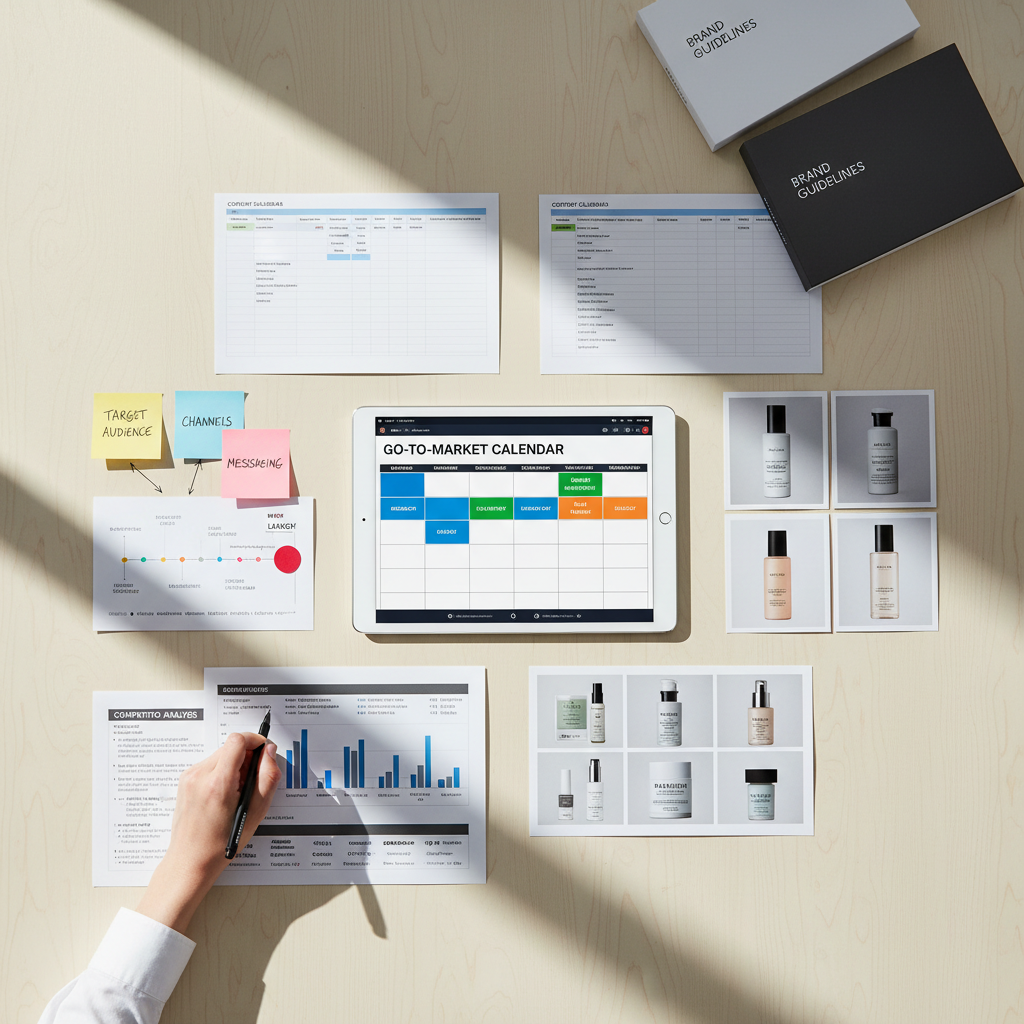
Every industry has its unique peaks and troughs. As a consultant, it's crucial to identify these key seasons and adjust your strategies accordingly. Consider factors such as holidays, fiscal quarters, and industry-specific events. Creating a calendar that highlights these periods can help you stay organized and proactive.
For example, if you're in retail consulting, the holiday season is likely a peak period. Meanwhile, tax consultants may find the first quarter of the year busier. Understanding these patterns enables you to plan your resources and marketing efforts effectively.
Creating a Strategic Sales Plan
Once you've identified key seasons, the next step is to develop a strategic sales plan. This involves setting clear goals, defining your target audience, and outlining specific tactics to reach them. Whether it's launching a new service or offering promotional discounts, your plan should be comprehensive and adaptable.

Using Data to Drive Decisions
Data is a powerful tool in seasonal sales planning. By analyzing past performance and market trends, you can make informed decisions about where to focus your efforts. Use analytics tools to track customer behaviors, sales patterns, and conversion rates. This data will provide insights that can refine your strategy and improve outcomes.
- Review historical sales data
- Analyze customer feedback
- Monitor competitor activity
Optimizing Marketing Efforts
Effective marketing is essential to capitalize on seasonal opportunities. Tailor your messaging to resonate with the specific needs and emotions of your audience during each season. Utilize various channels, such as email campaigns, social media, and content marketing, to reach your audience where they are most active.

Leveraging Partnerships and Collaborations
Collaborations can enhance your seasonal sales strategy by expanding your reach and adding value to your offerings. Partner with complementary businesses or influencers to create joint promotions or bundled services. This can attract new clients and provide existing clients with added incentives to engage with your services.
Evaluating and Adjusting Your Plan
After implementing your seasonal sales plan, it's crucial to evaluate its effectiveness. Review your performance against the goals set at the outset and identify areas for improvement. Flexibility is key, as market conditions and consumer behaviors can change rapidly.
Regularly updating your plan ensures you remain competitive and continue to meet the evolving needs of your clients. By staying proactive and adaptable, you can turn seasonal challenges into opportunities for growth and success.